Optimal Timing for Paint Removal
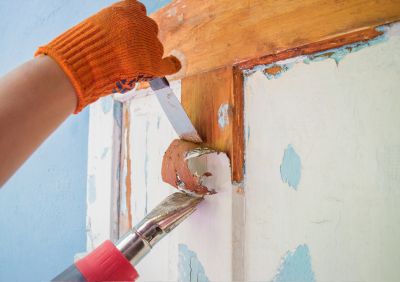
Late winter transitioning into early spring offers optimal conditions for paint removal due to moderate temperatures and lower humidity.
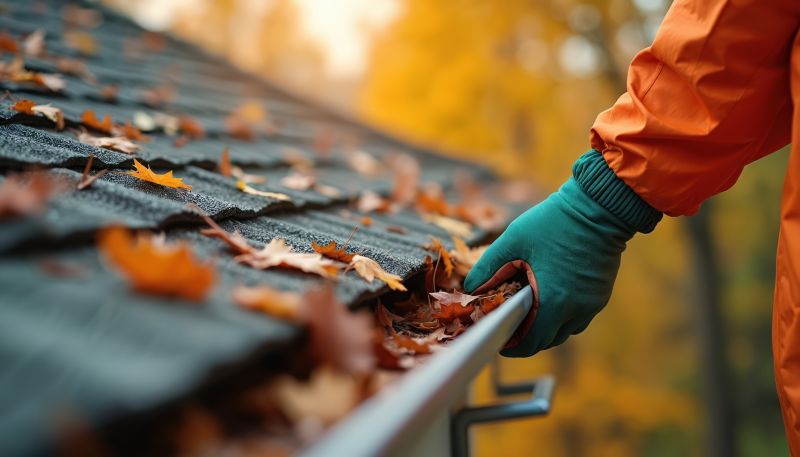
This period provides stable weather with less rain and humidity, making paint removal safer and more effective.
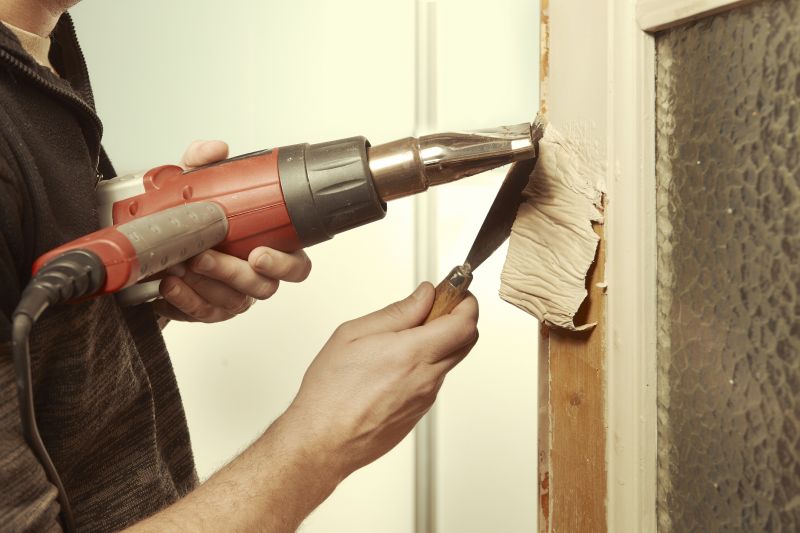
Cold winter months and high humidity periods can hinder paint removal processes and affect results.
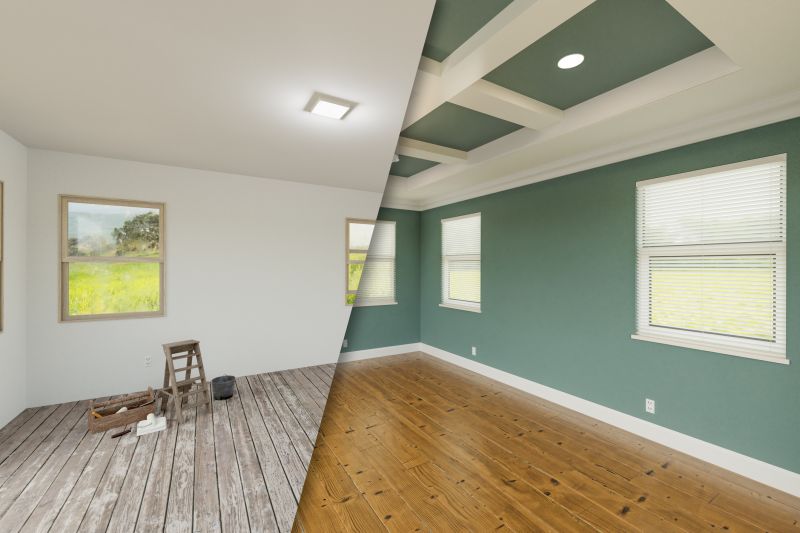
Ways to make Paint Removals work in tight or awkward layouts.
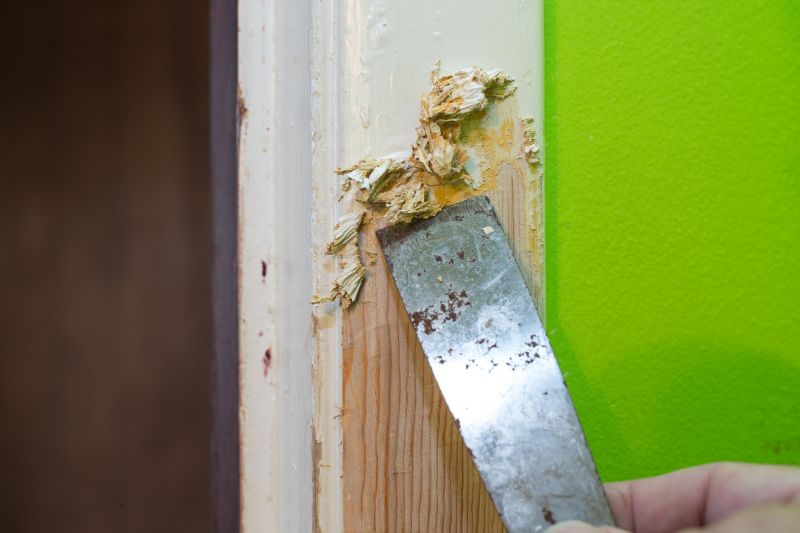
Popular materials for Paint Removals and why they hold up over time.

Simple add-ons that improve Paint Removals without blowing the budget.
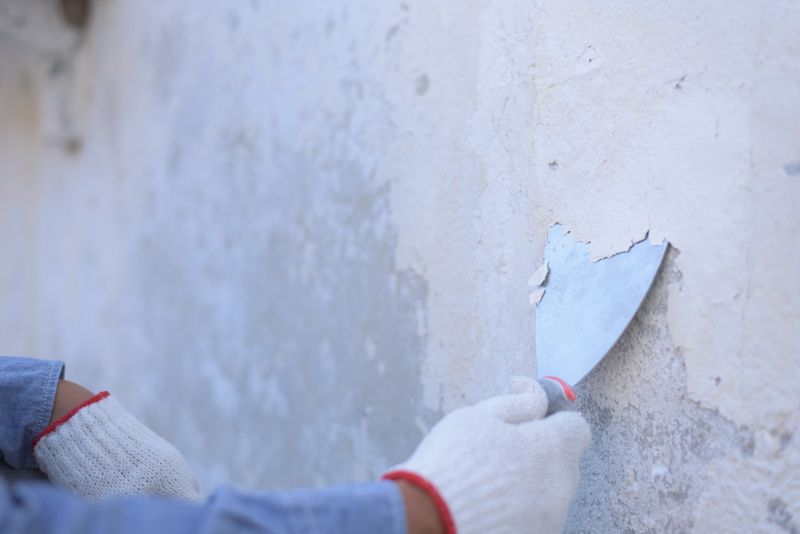
High-end options that actually feel worth it for Paint Removals.
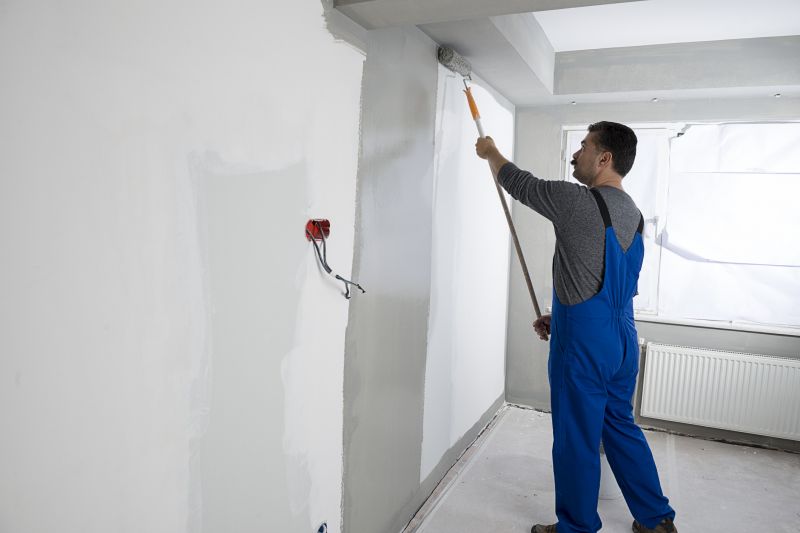
Finishes and colors that play nicely with Paint Removals.
Paint removals are essential for preparing surfaces for repainting or restoring aged surfaces. Proper timing ensures effective removal and minimizes surface damage. The best time to undertake paint removal depends on weather conditions, surface type, and project scope. Weather factors like temperature and humidity significantly influence the success of paint stripping processes. Conducting paint removal during periods of moderate temperature and low humidity enhances solvent effectiveness and reduces issues like paint adhesion problems or surface warping.
Statistics indicate that paint removal is most successful when performed in favorable weather conditions. For example, temperature ranges between 50°F and 85°F with low humidity levels promote optimal solvent action and drying times. Inconsistent timing can lead to incomplete removal or surface damage, resulting in increased costs and project delays. Proper planning around seasonal weather patterns is crucial for achieving quality results in paint removal projects.
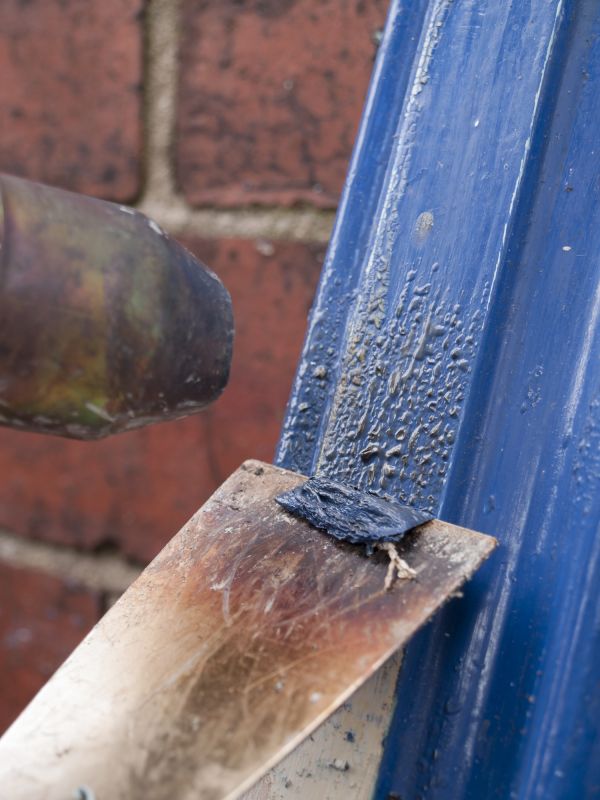
Various tools and solvents are used, including scrapers, chemical strippers, and heat guns.
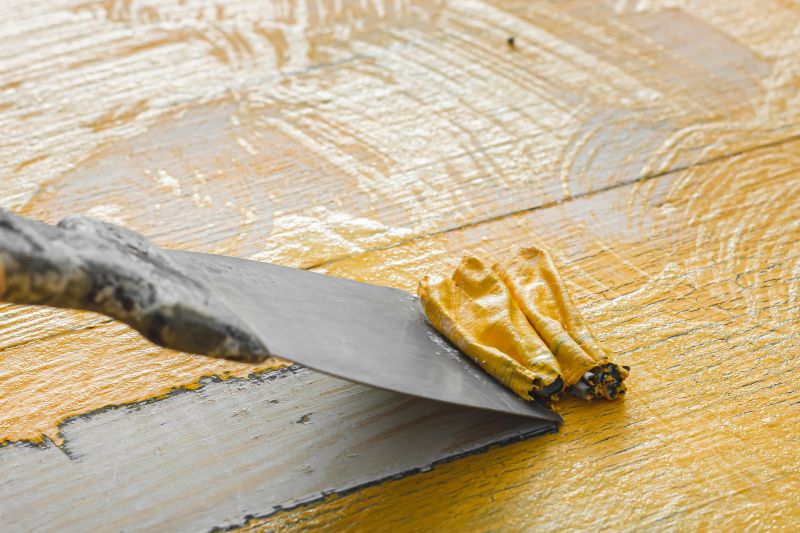
Cleaning and sanding surfaces before painting enhances adhesion and durability.
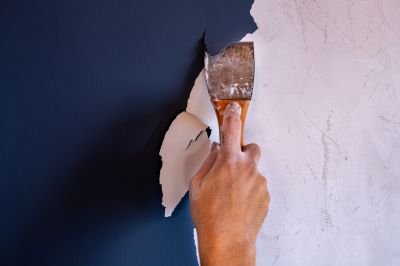
Different paints require specific removal techniques for effective stripping.
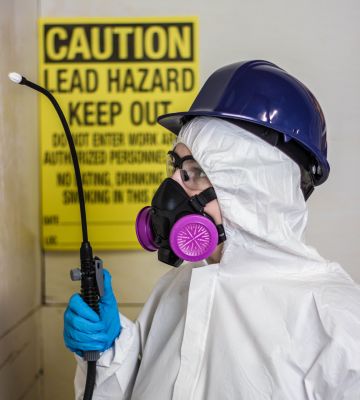
Proper protective gear is essential during paint removal to prevent health hazards.
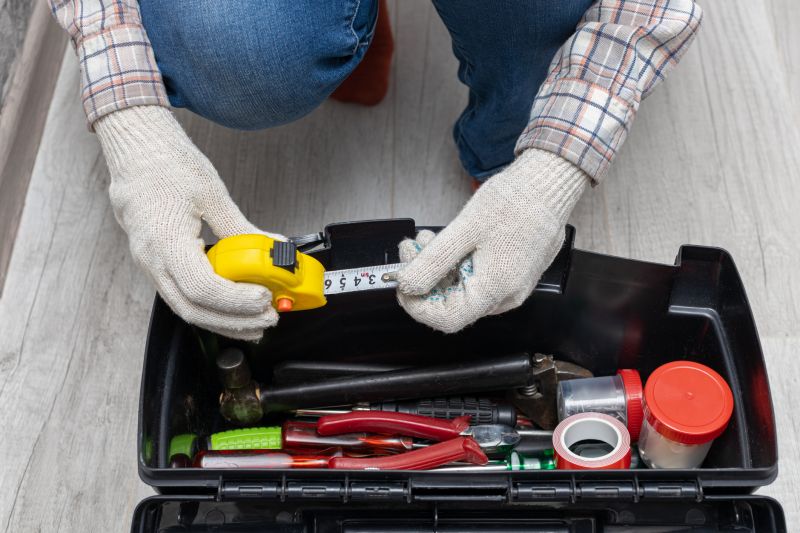
Little measurements that prevent headaches on Paint Removals day.
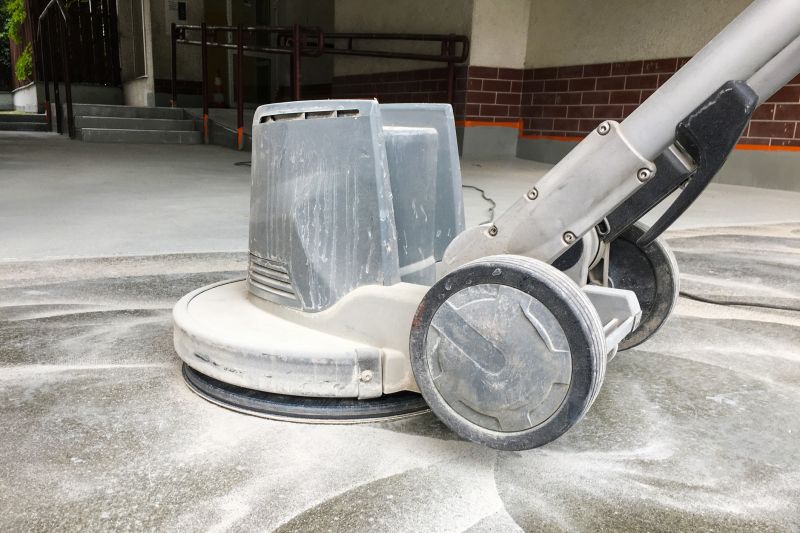
A 60-second routine that keeps Paint Removals looking new.
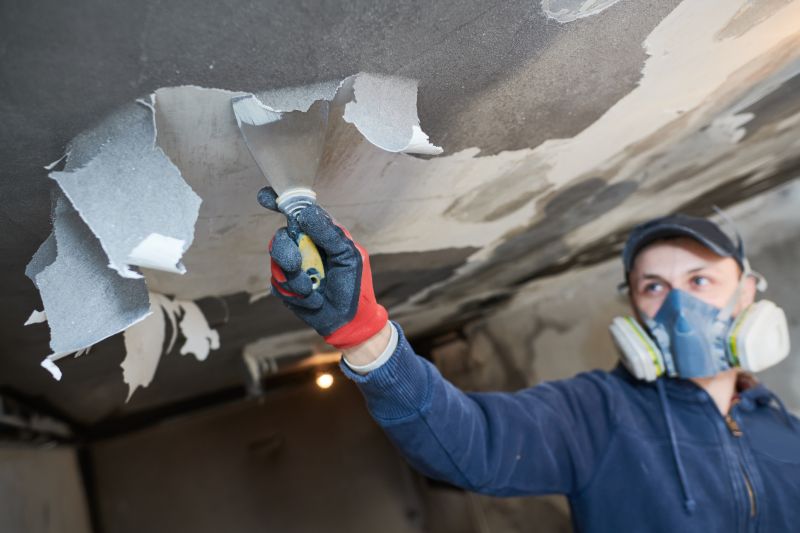
A frequent mistake in Paint Removals and how to dodge it.
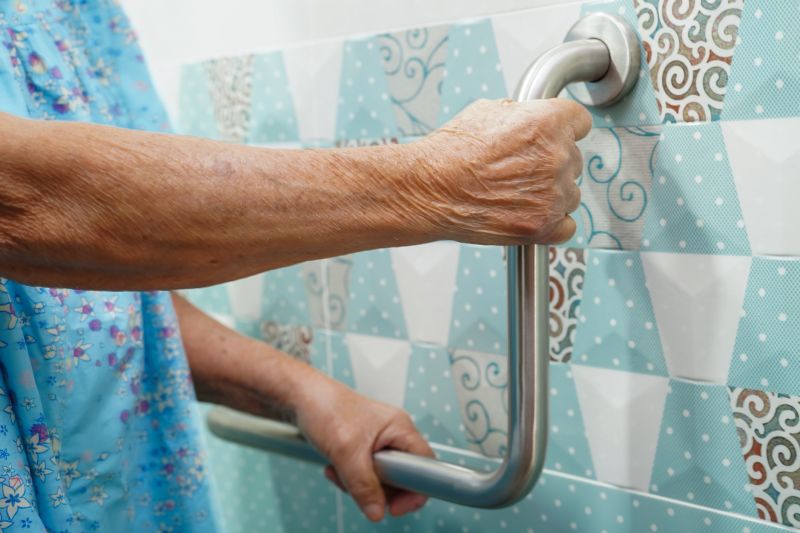
Small tweaks to make Paint Removals safer and easier to use.
| Best Seasons for Paint Removals | Ideal Conditions |
|---|---|
| Spring | Moderate temperatures and low humidity |
| Summer | Stable weather with low rain |
| Fall | Cooler temperatures and dry conditions |
| Avoid | Winter and high humidity periods |
| Avoid | Extreme cold or heat |
Lower-waste or water-saving choices for Paint Removals.
The short, realistic tool list for quality Paint Removals.
Rough timing from prep to clean-up for Paint Removals.